 AVYCAST
Aspiring — Bulletin d'avalanche
Le danger d'avalanche en Aspiring (Nouvelle-Zélande) est 2 — Limité, valable pour mardi 17 novembre 2026. Publié par New Zealand Avalanche Advisory.
Traduction en cours — affiché en langue source
The snowpack is saturated and will need time to drain and consolidate. While this happens, be conservative and avoid rushing into any big objectives.
Danger par altitude
Problèmes d'avalanches actifs
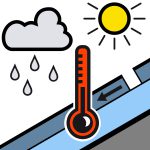
There have been no recent reports of avalanche activity since last weekend. If you see any recent avalanche occurrences or have any relevant snowpack information or photos, you can share them via the Public Observations link on the NZAA home page. Mt Aspiring National Park ForecastForecastRain, with snow to 2600 metres, clearing to fine in the morning. Cloud increasing in the evening.Wind at 1000 metres Northwesterly 50 km/h, dying out in the morning.Wind at 2000 metres Westerly gale 80 km/h, easing to 30 km/h in the morning, then dying out in the afternoon.Wind at 3000 metres Westerly severe gale 90 km/h, easing to gale 70 km/h in the morning, then to 40 km/h in the afternoon.Freezing level 2800 metres, lowering to 1700 metres in the morning. At this time of year, firm ice is often likely in the mornings. Depending on your timing and objectives, you may need an ice axe and crampons.
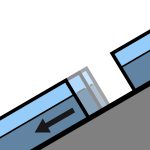
Most aspects and elevations are now showing spring snowpack characteristics, where conditions are generally firm and icy in the mornings, then turn isothermic, wet, and unsupportive during the warmer hours of the day. The snowline is retreating quickly and is currently about 1650 m on south aspects and 1800 m on east and west aspects.
Source: New Zealand Avalanche Advisory · Voir le bulletin d'origine
Original (EN)
Questions fréquentes
Que signifie le niveau de danger d'avalanche 2 (Limité) ?
Danger accru sur certaines pentes raides — un choix d'itinéraire et une évaluation du terrain attentifs sont nécessaires.
À quelle fréquence le bulletin de Aspiring est-il mis à jour ?
Avycast actualise toutes les heures ; New Zealand Avalanche Advisory republie le bulletin généralement une fois par jour pendant la saison.
Qui publie le bulletin d'avalanche de Aspiring ?
New Zealand Avalanche Advisory — le service d'alerte officiel. Avycast l'agrège et le traduit ; consultez toujours le bulletin original.
Régions à proximité
- Wanaka · 25 km
- Queenstown · 53 km
- Ohau · 90 km
- Fiordland · 108 km
- Aoraki/Mt Cook · 147 km
- Two Thumbs · 173 km